What changed
Tariffs moved further than anyone planned for. The Yale Budget Lab puts the US effective tariff rate at 2.4% in January 2025 and 22.4% by April 2025, the highest since 1909. The Supreme Court struck down the emergency tariffs in February 2026, and other measures replaced them. In July 2026 the average statutory rate stood at 11.1%.
- The numbers rarely held for long. Across 2025, the Budget Lab’s own estimates of the rate ranged from 15.6% to 28.0% as policy changed.
- Export controls are now a supply tool. China handles about 90% of the world’s rare earth processing and magnet production. Its broader October 2025 controls are suspended, not withdrawn.
- The signals are multiplying. Achilles, which tracks more than 200,000 suppliers, saw geopolitical disruption alerts rise about 167% in 2025.
The WEF Global Risks Report 2026 ranks geoeconomic confrontation as the top risk for 2026.
What it puts at risk
Revenue
A tariff in one of your export markets raises your price there and costs you volume. If a critical input stops, the orders behind it go too.
Cost
Duty lands on your landed cost straight away. If your contracts don’t allow you to pass it on, it comes out of margin.
Cash
Duty is paid when goods cross the border, long before you’re paid for them. Stockpiling ahead of a deadline ties up more working capital.
Continuity
A refused export licence can stop a component overnight. Qualifying a second source in another country takes months.
Our view
The risk lies in how concentrated your sourcing is, more than in today’s tariff rate. Most companies know which country their tier 1 supplier ships from. Fewer know where the critical material inside is mined or processed, and that is where an export control bites.
Sort your inputs on two questions. Would losing this input stop the line? Does one country supply most of it? The inputs where both answers are yes need a Plan B now: a qualified second source in another country, and supply contracts that say who pays when a tariff changes.
Nobody can forecast trade policy. Companies that have options ready can absorb the next change at a cost they’ve already priced.
This is our reading of public trade data, not a forecast of policy.
Three questions for the board
- Which of our critical inputs depend on one country, counting where they are processed as well as where they are shipped from?
- Do our supply and customer contracts say who pays when a tariff changes?
- If our largest single-country input stopped for three months, what would it cost us, and do we have a second source?
Sources
Yale Budget Lab: One year of tariff analysis (Apr 2026)
Yale Budget Lab: The State of U.S. Tariffs (Jul 2026)
BISI: China’s rare earth processing dominance (Sep 2026)
Global Trade Alert: China’s temporary suspension of export controls
Achilles supply chain disruption analysis (Mar 2026)
WEF Global Risks Report 2026
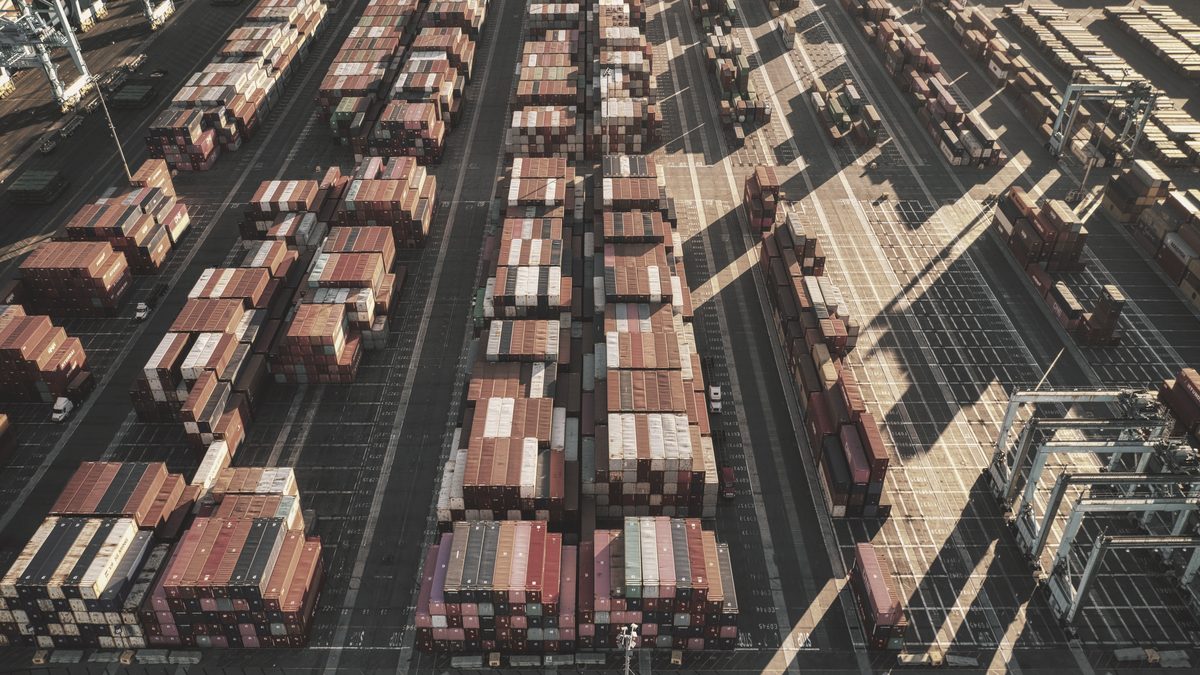
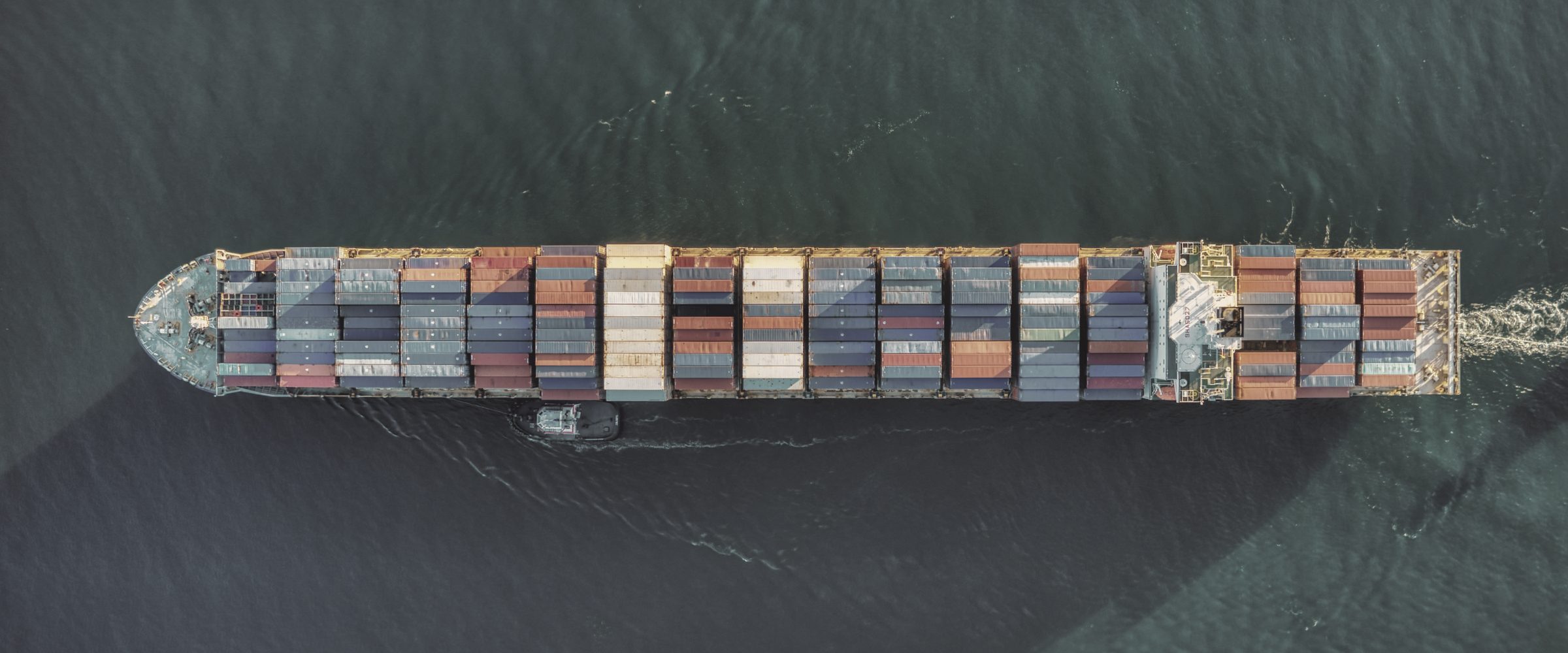
Photo: Venti Views on Unsplash.