
What changed
The Omnibus I Directive was published in February 2026. Member States must transpose the CSDDD changes by 26 July 2028, and the rules apply from 26 July 2029.
- Fewer companies. Scope is now EU companies with more than 5,000 employees and €1.5bn net worldwide turnover, and non-EU companies with €1.5bn turnover in the EU.
- Risk-based scoping. Companies no longer map every partner. They scope where harm is most likely and most severe, then assess those areas in depth.
- A shield for smaller suppliers. Partners with fewer than 5,000 employees can be asked for information only when it can’t reasonably be obtained another way.
- Lighter penalties. Fines are capped at 3% of net worldwide turnover, there is no EU-wide civil liability regime, and the climate transition plan requirement has gone.
The Commission reviews the thresholds by July 2031, including whether high-risk sectors need their own rules.
What it puts at risk
Revenue
Large buyers will still scope their supply base. If you sit in a high-risk area and can’t show evidence, the buyer’s last resort is to suspend the relationship. Before that come corrective action plans, audits and conditions on new orders.
Cost
Questionnaires fall, but in-depth assessments, audits and contract clauses land on the suppliers that matter most to the buyer.
Cash
Where buyers see risk, they can push for tougher contract terms, warranties or longer payment terms. Weak evidence becomes a negotiating point against you.
Continuity
Your own suppliers carry the same risks. If you can’t see them, you can’t answer your customer.
Our view
The Omnibus narrowed the law. It did little to change what large buyers will ask of their suppliers. They still have to scope their supply base and act where they find high risk, with suspension kept as the last resort.
The 5,000-employee shield cuts down routine questionnaires. It won’t protect a supplier that sits in a buyer’s high-risk area. For those suppliers, being ready to answer is part of being easy to buy from.
A mid-sized supplier that can show its evidence quickly will win share from one that can’t. Start with your three largest EU customers. Find out which of your products and sources they are likely to class as high risk, and prepare for those first.
This is our reading of the Directive, not legal advice.
Three questions for the board
- Which of our customers are in scope, and what share of our revenue do they represent?
- Which of our products or sources would those customers class as high risk?
- If our largest customer asked for due diligence evidence tomorrow, what could we send within a week?
Sources
Directive (EU) 2026/470, on EUR-Lex
Accountancy Europe: Omnibus explained, CSDDD factsheet (Jan 2026)
Arthur Cox: Omnibus I Directive published
Linklaters: Omnibus I published in the Official Journal
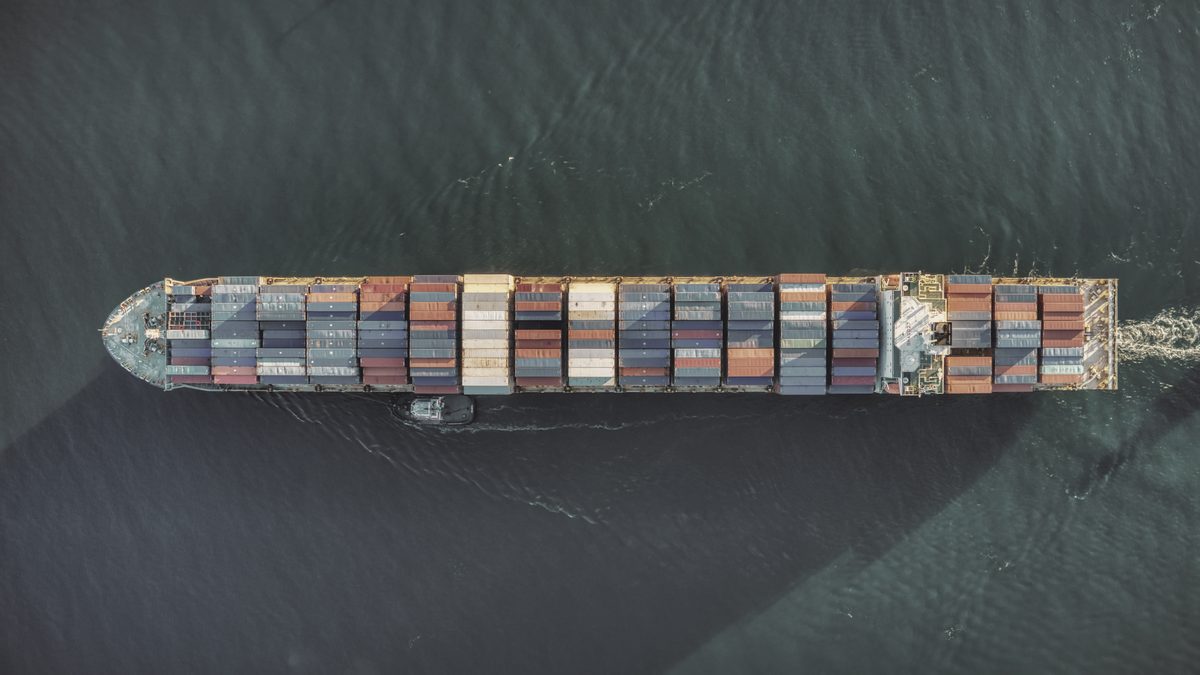
Photo: Venti Views on Unsplash.